


We specialize in the inspection of both static and rotating machinery, ensuring optimal performance and mitigating risks. Our comprehensive assessments help extend equipment lifespan and prevent costly breakdowns.
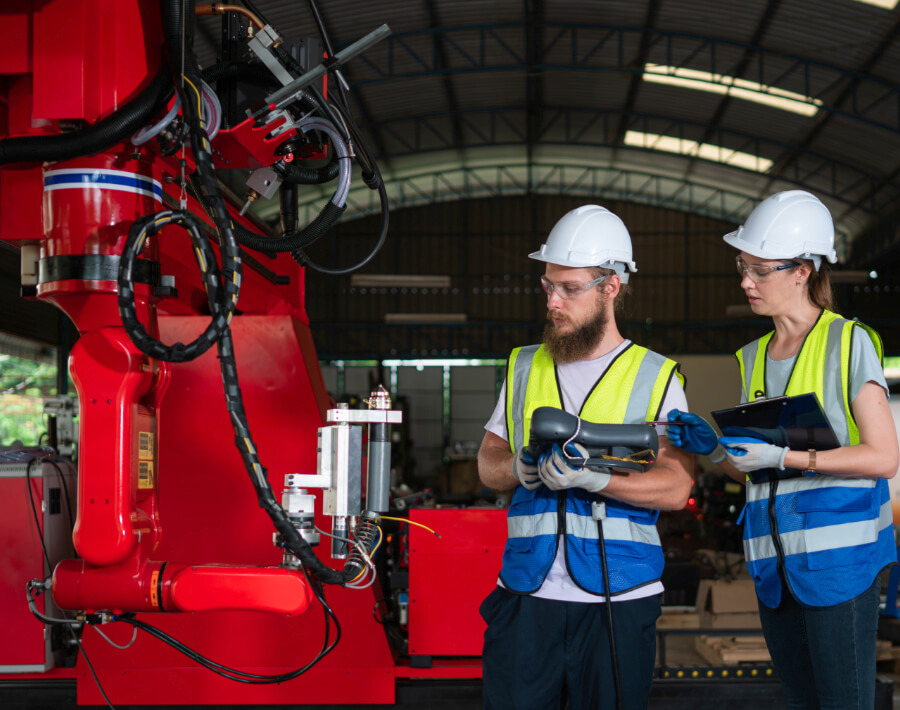
Static Machinery Inspection
Static equipment includes devices that remain stationary during normal operations, such as tanks, pressure vessels, heat exchangers, and piping systems. Despite the lack of moving parts, static equipment requires regular inspection to ensure integrity and prevent issues like corrosion, leaks, or structural damage.
Key Types of Static Equipment Inspected:
Heat Exchangers
Facilitate heat transfer between fluids without physical contact, commonly used in chemical plants and power generation.
Pressure Vessels
Contain pressurized gasses or liquids, crucial for safe operation in high-pressure environments.
Distillation Columns
Separate fluid mixtures in industries such as oil refining and petrochemical processing.
Storage Tanks
Store liquids or gasses, with specialized designs for pressurized or atmospheric conditions.
Boilers
Generate steam or hot water, commonly used in power generation and industrial processes.
Rotating Machinery Inspection
Rotating equipment, such as pumps, compressors, turbines, and motors, plays a dynamic role in industrial processes by converting energy into mechanical motion. Inspection of rotating machinery focuses on monitoring wear, alignment, lubrication, and vibration to prevent breakdowns and improve operational efficiency.

Key Types of Rotating Equipment Inspected:
Compressors
Increase the pressure of gasses, essential for refrigeration, air conditioning, and power generation.
Pumps
Transfer fluids in various industries, including water treatment and oil and gas production.
Gas and Steam Turbines
Generate mechanical power in energy production and industrial applications.
Motors
Drive various mechanical systems, requiring precise inspection for efficient performance.
Inspection Benefits
Cover Broad Range of Industries
Early detection of potential failures, reducing unplanned downtime and costly repairs
Mitigation